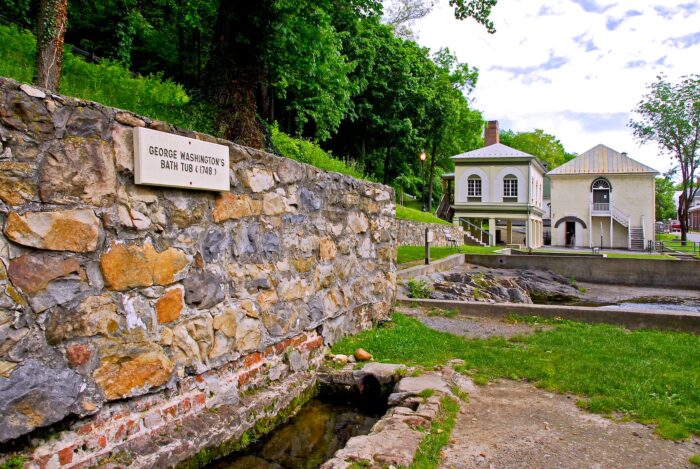
People often think that finding a getaway destination requires choosing between deep isolation and constant, high-energy activity. There is a common assumption that a trip is only worthwhile if it involves a packed itinerary of scheduled tours, crowded attractions, or intense physical exertion. The reality, however, is much more nuanced. Sometimes, the most meaningful travel experiences are those that prioritize rhythm, environment, and the ability to disconnect from routine, which is why many travelers are increasingly drawn to quiet, historic areas that offer a blend of natural scenery and simple relaxation.
Common assumptions about visiting quiet historic towns
When planning a trip to a place like this, it is easy to assume that because the pace is slower, there is little to do. Many travelers arrive expecting a traditional tourist experience marked by lines, ticketed entries, and the pressure to see every landmark within a short timeframe. This mindset often overlooks the primary value of such a location. A destination that has maintained its character over time often rewards a different approach to exploration. Instead of rushing from one spot to the next, the most effective way to engage with the area is often to slow down and observe the details: the architecture, the parks, and the natural elements that define the town’s character.
Another frequent misconception is that lodging is merely a functional necessity. People often search for the most utilitarian or inexpensive place to sleep, treating their accommodation as nothing more than a temporary storage space for luggage. However, in regions where the environment and history are central to the experience, where you stay can significantly influence your overall perspective. A thoughtful choice in accommodation often acts as an extension of the destination itself, providing a quiet space to process the day or a connection to the local aesthetic.
Why the rhythm of your stay matters more than the itinerary
In areas where the landscape is hilly, wooded, and anchored by natural features like spring water, the environment dictates the pace of life. Rather than trying to force an artificial schedule, successful visitors typically find that coordinating their activities with the natural flow of the day—taking a morning walk when the air is cool or spending an afternoon reading in a park—leads to a more satisfying result.
Consider the difference between a trip defined by “must-see” lists and one defined by engagement. If you are looking for places to stay in Berkeley Springs, the most useful approach is to consider what kind of environment helps you recharge. Do you prefer a historic guest house that offers a window into the past, or a cabin that puts you closer to the surrounding hills? The value of these places to stay in Berkeley Springs often lies in their ability to offer something that city environments cannot: quietude, proximity to nature, and the space to focus on your own well-being rather than a list of tasks.
Distinguishing between tourist-driven and local-focused experiences
A key part of a successful Berkeley Springs guide is knowing how to tell the difference between services designed solely to attract short-term crowds and those that are integrated into the community. When you are looking for experiences or services, it is helpful to ask yourself whether an activity encourages a deeper understanding of the region or if it is a generic service that could exist anywhere.
Local-focused options often emphasize craftsmanship, regional products, and slower interactions. When you walk through the town center, you may notice that the most rewarding conversations or discoveries occur in the smaller shops or during moments spent in public spaces. These interactions tend to provide a better sense of place than the standard brochures or websites might suggest. If you are looking for a meaningful trip, seek out the places where the residents spend their own time. This often leads to the most authentic experiences, as these are the spots that have been vetted by the people who know the region best.
Reframing your approach to regional travel
Instead of approaching your visit as a series of boxes to check, try viewing it as an opportunity to observe and adapt. This means building flexibility into your plans. If the weather is pleasant, spend more time outdoors. If you find a particular area of the town that feels comfortable, stay a little longer. This way of thinking shifting from a “consumer” mindset to an “observer” mindset is the most effective way to derive value from a visit to a historic area.
A good Berkeley Springs guide should suggest that you prioritize your own comfort and interests. If you enjoy history, spend your time exploring the structures that have stood for generations. If you prefer the outdoors, look for the trails and parks that offer a connection to the local landscape. By focusing on what you actually enjoy rather than what you feel you “should” do, you ensure that the time you spend away from home contributes to your personal renewal.
The initial assumption that a trip must be intense or highly structured to be successful often leads to unnecessary stress and missed opportunities for genuine rest. The more useful reality is that when you allow yourself to inhabit a space, to choose accommodations that align with your desire for calm, and to engage with the environment on its own terms, you are more likely to return home feeling refreshed. A visit to this area is an invitation to step away from the noise of daily life and settle into a space where time is measured not by appointments, but by the quiet passage of the day.